- FORREC planned and designed Canada’s Wonderland (opened in 1981). The first huge theme park in the countries’ history.
- It’s all about “visitor experience”. People are shopping to forget their problems and watching Netflix in their basements then get together and share experiences/”moments”.
- There were amusement parks before Disney but today it’s about branded parks. Universal Studios, Legoland: people want to see and feel the brands. Disney Carnival Cruises is a huge market.
- Canada’s Wonderland would not be built today, now it’s about integrated developments (“a destination, “a place to go” “mixed use” “retailtainment”).
- As shopping changes its about finding ways to draw people in.
- FORREC did Expo 67 (some pavilions). At the time FORREC was a landscape architecture company (did Ryerson, Eaton Centre etc.). Clients said “can you do this?” and we said “why not?”. We do wayfinding, creative, graphic design etc.
- Question: what about Toronto gives you the edge? Answer: there are 28 languages spoken in our office. FORREC has 140 employees in Toronto. “We’re Canadian” (we care, listen, are thoughtful, respectful etc.). There’s an office in Shanghai (offices in USA -Orlando/LA- as well but more for business development).
- FORREC has done projects in Vietnam, Korea, Dubai (it’s handy to have employees from there who understand cultural subtleties). It doesn’t matter if people have a license to work here or not because we’re working globally.
- We’re more global, not really known locally and that makes recruiting people a challenge.
- We’re not focused on awards rather servicing clients
- Did a project for AS Roma (client was googling around for designers) to build a football stadium.
- What we’re really strong at is mixed-use developments (single use doesn’t make sense revenue wise). RDE: retail, dining, entertainment. “Retailtainment” experience.
- A major consideration: how do you engage people? How do you handle crowds and keep them there. People don’t come for just one thing, it’s about having multiple aspects.
- We’re working on Legoland Shenzhen (just across causeway from Hong Kong). We did Legoland Germany. Legoland now integrates resorts.
- FORREC services the project from end to end as the design people and deals with speciality consultants. Random example of complexity: the necessity of having no variance in the electric current when dealing with screens.
- You have three clients: developer, brand and end user.
- In China they are scared their culture is a disappearing so have to be more culturally sensitive. There’s this dichotomy around western brands: they want them but you have incorporate the local aspect and it’s tricky because the brands want to be true to themselves. In China they have large integrated visions.
- Our industry is different, it’s not just matter if creating a commercial centre as there are special considerations. We get hired to do visioning. The feasibility study is where projects live or die.
Category: Canada
I Can Hear You, Can You Hear Me? by Nolan Natasha (review)
This is an OK tiny book of poetry. It’s cozy and comfortable. Think along the lines of “tangled in bedsheets and your soggy feet”. The word “sheets” (as in bed/hotel) is literally used at least five times. Also, we’re talking Canadiana to the point of a poem written from the perspective of someone watching their lover shovel snow (one of the better poems). Cross-country poetry. These Stephen Marche quotes are somewhat relevant:
“She also represents most fully the Canadian obsession with the landscape. It’s the great cliché of Canadian culture, but it’s a cliché because it’s true. There has never been a great portraitist in the history of Canadian art. Landscapes are everywhere.”
“The ‘imaginative problem’ of Canadian literature is always the setting. We are afflicted with the portraits of small towns, the portraits of farm life, the portraits of Maritime rivers, the portraits of the prairie. Landscape intrudes into even the most domestic of narratives.”
Chevrolet Beaumont on College St. in Toronto




John Duffy studies #3: Canadian Disagreements (technology, urban/rural and demographics)
- Trudeau is trying to be the first “post-Laurentian Liberal”.
- Laurentian elite: “The whispers in the common rooms at Queens, the easy murmurings at the Rideau Club, the things that happen in a cafeteria at the Place du Portage civil service benevolent society meeting” that way of doing business is gone.
- Trudeau is out of that world/group.
- That electoral coalition is out of his mind map. He is more attuned to young people and new Canadian communities.
- We’re not even going back to the Martin coalition.
- Trudeau: next, post, onward, forward.
- A post-Laurentian world need not be a Conservative one.
- Harper govt. operates with 21% of all men women and children, Harper governments never feel like a majority (they govern like they have to exert force and pressure in order to pass their agenda).
- “The middle class hasn’t got a raise in 25/30 years”.
- There’s great potential in the new supply chains for Canada’s traditional manufacturing communities to get back in the game (with support from governments).
- The future could look like Japan where young people are working their hearts out to provide for the old. It’s not which Canada you want, it’s which Japan you want.
- The question of energy and resources has become big since the 1970’s. We’re going to see more and more issues and political forms pertaining to energy.
- This as opposed to the typical 20th century political divide over the role of govt. in the economy (socialism vs. capitalism).
- “Technopolitics”: a clash between urban and rural. “Green” appeals to urban voters from progressive parties. Offerings to rural voters from conservatives put the environment on the back seat (Keystone, Gateway, drilling etc.). The vastness of the disagreement between urban and rural implies “the eclipse of the rural value system built around self-reliance”. It’s an argument about modernity.
- A scientific/evidence basis for policy is a loose term that the Liberals are running with but it represents something much deeper. The regulation of biotech, the politics of science and technology, the vast explosion of tech etc. are an enormous challenge to our society relative to our tiny attention span.
- Cites Shimon Peres: science/tech are fundamentally ungoverned and more important than politics. The young people are all about science/tech and you should become a scientist or entrepreneur if you really want to make a difference.
- Politics is catching up one buzzword at a time.
- On tech questions there tends to be a pro-producer and a pro-consumer viewpoint (GMO labeled on packaging for ex.). When it comes to technology a rural evangelical voter won’t necessarily take the pro-business, pro-producer argument.
- It’s way more important how technology is governed vs. 2% more or less on whatever tax.
- Andrew Coyne: It’s about technology understood as an existential question vs. lots of actually technological innovation (which isn’t happening).
John Duffy studies #2: Why You Can’t Build Anything in Canada Anymore
- You can’t build big infrastructure like pipelines in Canada anymore.
- It’s hard to get clear outcomes out of our federal-provincial system.
- Canadians are allergic to politics, they don’t want decision makers to make decisions because they don’t trust them and they don’t believe in them.
- We’re transitioning out of a Westminster-style cabinet government.
- There’s centripetal force at the governance level like in the 1970’s.
- Example: health data portability, data can’t travel easily across the country because there’s a complex set of rules and control is in the hands of regulators that aren’t accountable to the elected government, they’re accountable like a “watchdog” to parliament (more like ombudsman and auditors general) meaning voters have no control over them and politicians don’t want to take them on because these regulators are seen as above politics.
- Something has gone wrong when watchdogs are regulating “markets that have value” like the movement of health data and the reason is we don’t like politicians.
- The cry is “gotta take the politics out”, this is case in transit politics in southern Ontario for ex.
- If you take this logic far enough it starts to look like Singapore or China (ie. rule by people that are technically skilled and unaccountable).
- It has become harder for the democratic will of the people to be translated into government action.
- Thinks feds are doing more to get commercializable R&D for Canadian companies, you can feel a greater emphasis on digital/data sovereignty (disagrees with Balsillie).
- Trudeau has reduced poverty. Should get more credit.
- The problem: huge challenges like “galloping requirements”, climate change catastrophe, the rise of AI and simultaneously we are hamstringing our governments.
- Watchdogs, suspicion of politicians, alienation from political life are all creating a self-fulfilling prophecy where voters feel that the big issues that are shaping our world are out of control and by witholding their participation they are ensuring these changes will be out of control to the point “people won’t be able to shape their own lives, it’s an unfolding tragedy”.
- Canada is not like Portugal or the Netherlands because needs are consistent in those countries.
- Canada is a funny country to try and be progressive in because you have progressive urbanites sitting on top of an economy that doesn’t look very progressive (until you look at the extent of technology used in resource sectors).
- Politicians arent trusted enough to broker anymore, brokerage politics used to be a Canadian ideal/trait.
- Despite the Republicans overwhelming power in 2019 (state houses, congress, presidency, judges) they couldn’t really govern (for ex. they failed to undo Obamacare).
- There’s a problem in terms of creating democratic consensus for moving things forward as global dynamics are pulling societies apart. Deligitimizing politicans is a part of the prob and we have to relegitimize them.
Others
- MHF: it’s “almost impossible to build anything”, politicians have been unwilling to lead, the less politicians lead the less trust they get. Example: Christy Clark’s pipeline conditions (she had no right, its unconstitutional), similar situation with Legault and Energy East.
- There is no longer consistency from government to government.
- SS: politics have become transactional and small.
- SS: there’s been skills based change, more rewards for cognitive skills.
- Balsillie: Trudeau govt. has not done innovation, its done cheap labour foreign owned tech branch plants.
John Duffy studies #1: Justin Trudeau and Canadian federal elections
Post-war elections in Canada and the UK
- What’s the criteria for a significant election? Great fight, a big national policy question and evolution in the structure of how politics works
- What is the 2021 44th election about? Trudeau compared it to the 1945 election.
- King presented Canada with the foundations of a social welfare state pre-WW2 and then post-war asked “are we really going to do this stuff now?” This followed on from the social impacts of the Great Depression.
- King’s Liberal govt. was returned and they implemented the social agenda (King and Louis St. Laurent).
- In Britain Winston Churchill lost at the polls to Clement Atlee because voters didn’t believe Churchill would deliver social programs despite his claiming otherwise.
- Britons had come to believe they were fighting for these social supports.
Election 44
- Trudeau is claiming the policy subject of this election is social programs like childcare within a wider package responding to inequality.
- The Conservative platform platform asserts that they don’t want to have institutions deliver childcare but rather give families cash and let them shop.
- It is a significant election.
- The Liberals are framing a “stay the course” ballot question and have been good at cementing this perception.
- Liberals went from 3rd to 1st saying “Canada’s changed and the Conservatives have not changed with it.” (ie. Canada is socially liberal, progressive, values equity, action on climate change etc.) In response Canadians said “yeah that’s my Canada”.
- Liberals have been running “choose your Canada” campaigns in recent years implying the modern Conservative party is alien to Canada (it’s more American).
- In this election the Liberals are going to add vaccination as something “Canadians do” the (Liberals will do this fairly aggressively).
- The Conservatives want to frame the election as an economic choice ie. the Liberals are incompetent and profligate and don’t really care for the sources of prosperity.
- The NDP will be asking “Is Trudeau actually sincere, can you trust him?”
Federal elections in Canada
- Geography is so key to Canada: historically the most typical governing coalition (by region) is Quebec and the Prairies with bits and pieces of elsewhere (extra context: Quebec and the Prairies vote more cohesively).
- This coalition is defeated when it doesn’t vote cohesively and an alternative is put together with a more solid B.C., Ontario and Maritime vote.
- BUT THIS GAME HAS CHANGED.
- The emergence of the Bloc since 1992 has taken Quebec mostly out the equation.
- The second thing is urban growth. Canada used to be rural but now has very large cities and that’s where people are (“very large urban blobs”).
- Urban places have voting patterns that are more like each other than traditional divides like language and region (downtown Calgary is more like downtown MTL than rural Alberta).
- The battleground now is the suburbs (esp. far/new suburbs like Abbotsford, Milton and east of MTL).
- Strong indicator: are Liberals winning urban seats in unfavourable regions? Calgary, Edmonton.
- For Liberals it’s no longer a matter of regional pieces but playing the politics of urban denisty, “bringing together a national majority of urban and suburban dwellers”.
- For the Conservatives in this election the effort is to hold back the Liberals in Ontario and B.C.
- In 2006 Harper beat Martin on childcare. But Trudeau can say “did anything actually come of Harper’s childcare?” In this case Trudeau has deals with the provinces.
- The vaccine wedge is very effective for Trudeau as Conservative insiders themselves say.
Campaigning
- Vaccination and Covid-19 stupidity played into Trump’s defeat.
- Canadian elections are decided on what happens domestically but you can get caught flat footed.
- A big risk is appearing to be tone deaf, anyone can say “you’re being inappropriate”.
- Debates can still be critical even given the social media equalizer.
- Trudeau gave a bravura performance in the Munk debate. He won over the immediate and television audience (put Mulcair in the background and made Harper try a father knows best routine).
- Horwath mailed in second 2018 debate performance and the NDP upward trajectory went flat (interviewer: Ford was able to say Horwath and Wynne are the same).
- Strategists think about turnout more and more as the years go by because as the boomers retire and elder members die the notable propensity of older voters to vote Conservative gets leavened.
- In 2015 boomers got balanced out as youth and First Nations actually turned out and voted in big numbers.
- In this country everyone makes it easy to vote unlike the USA (voting is above politics, a matter of technocratic and bureaucratic management).
- This election may well go down at policy-pivotal.
- Climate change is an all-encompassing challenge and issue.
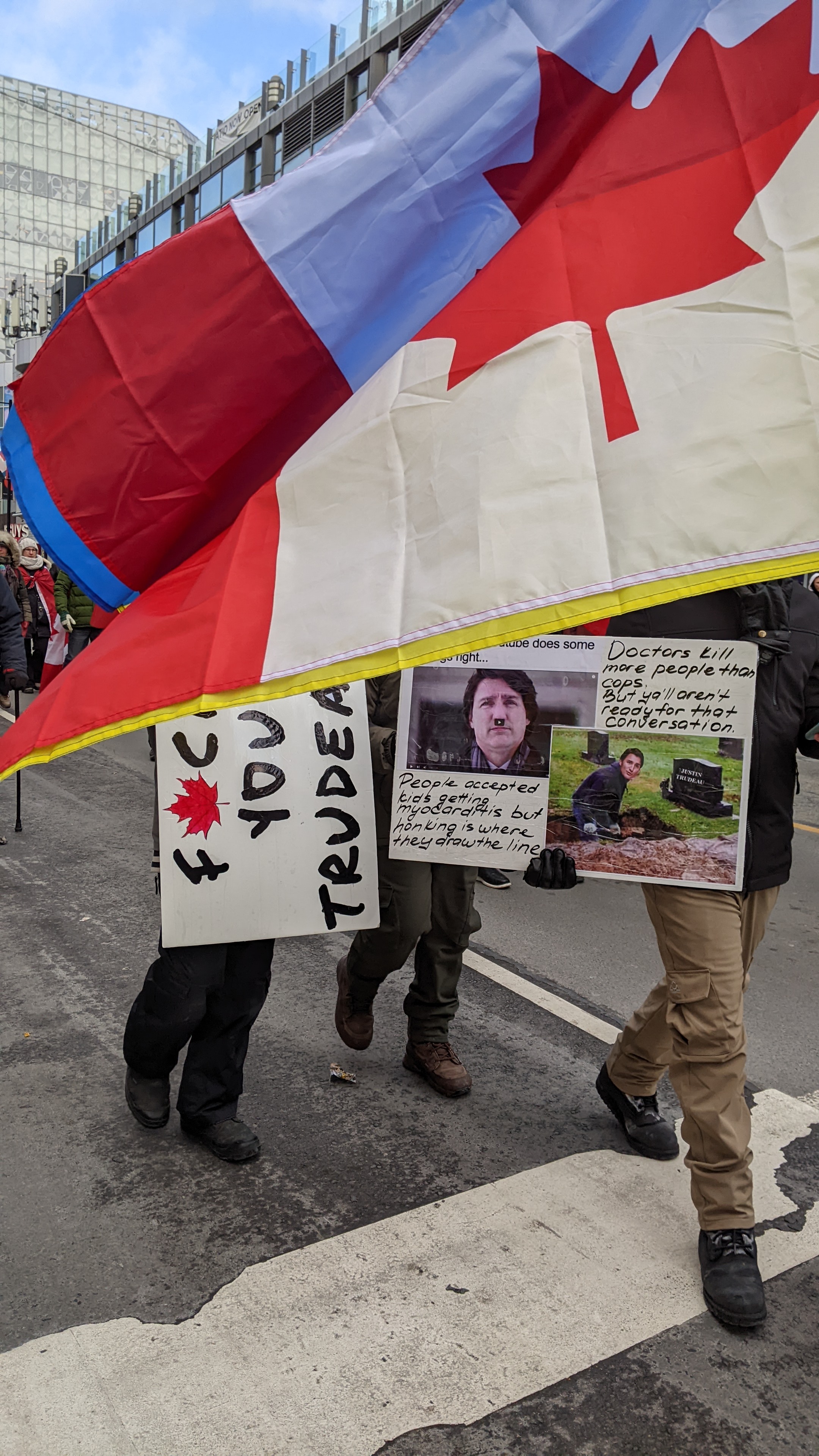
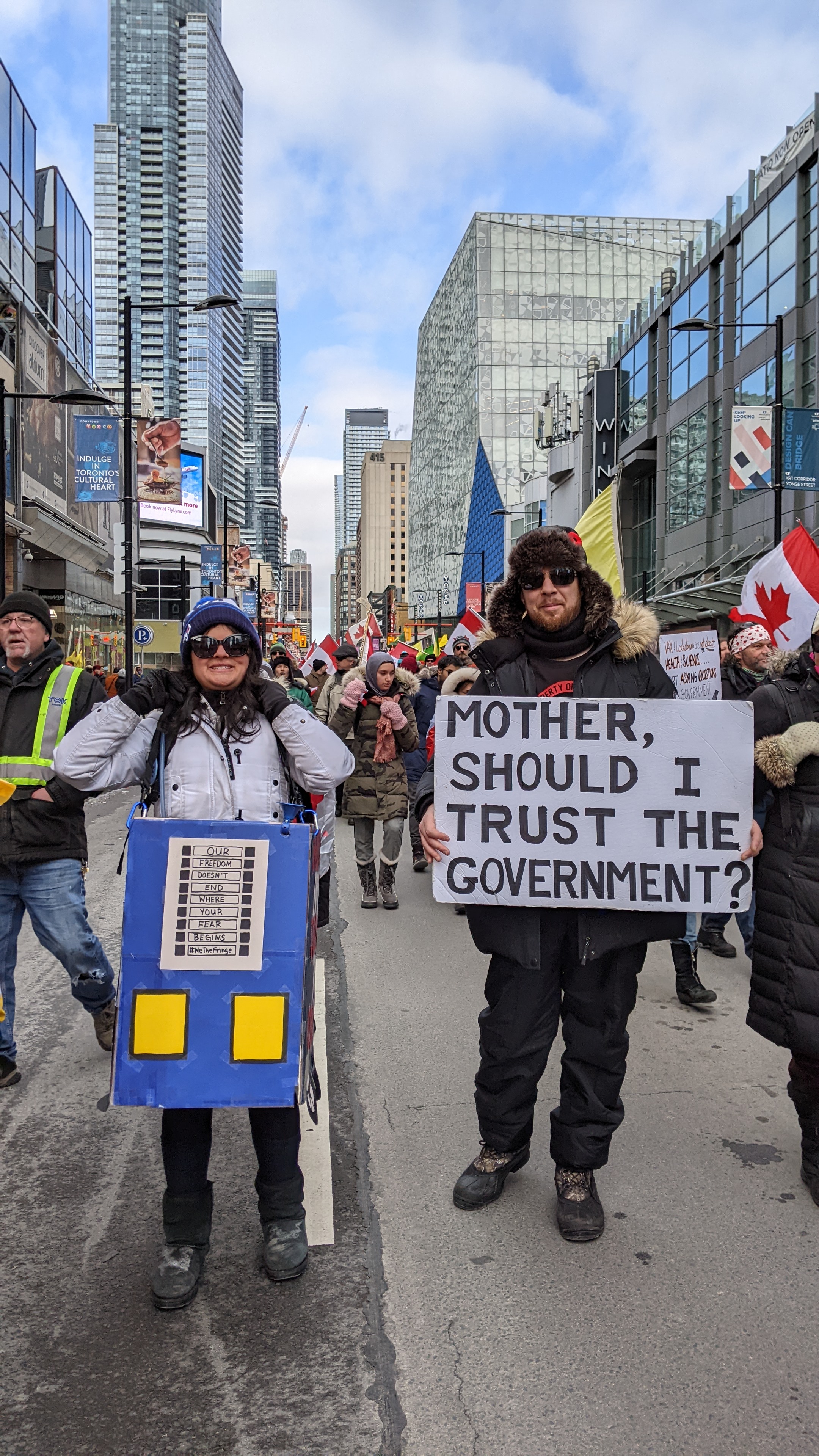
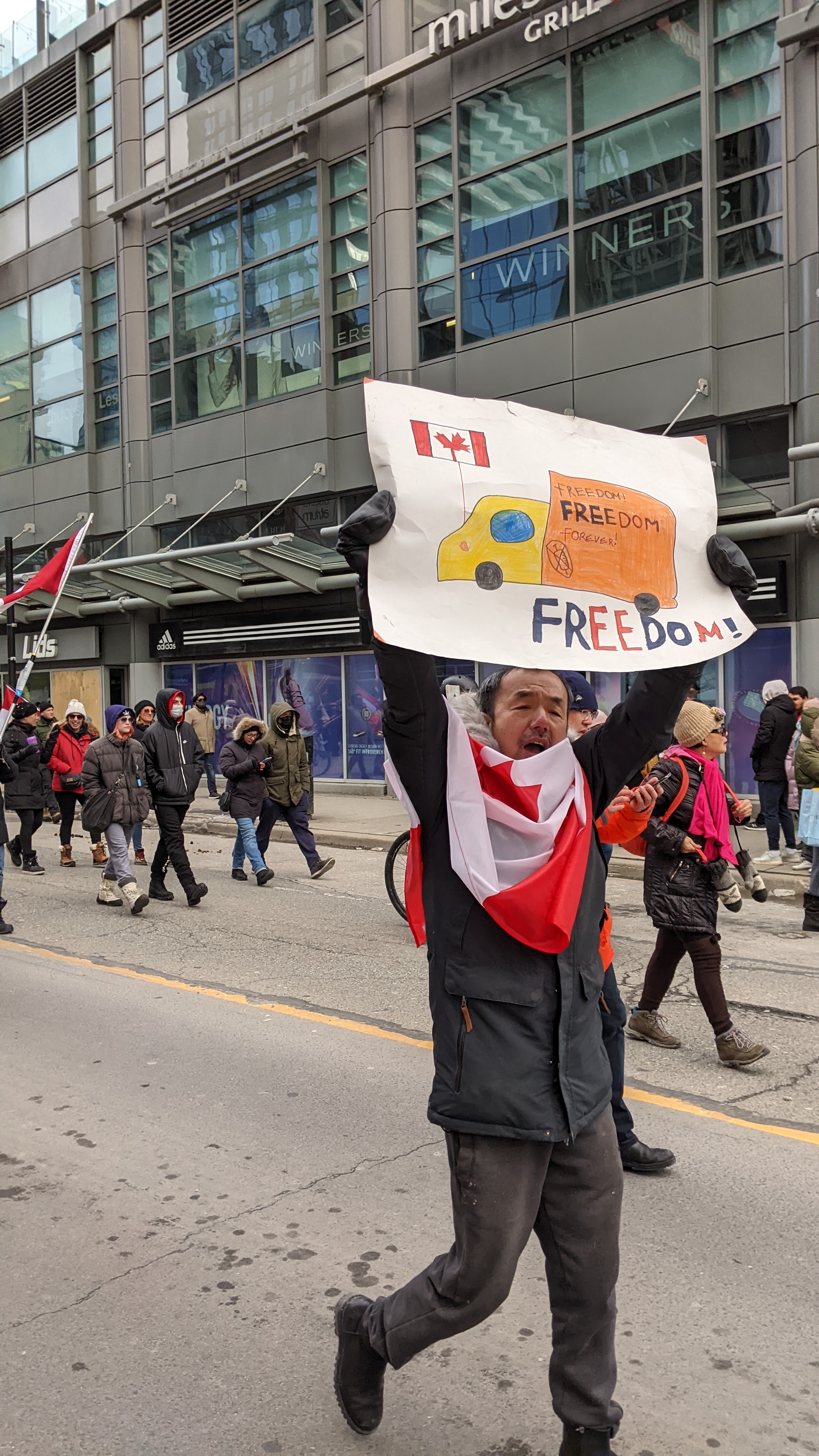
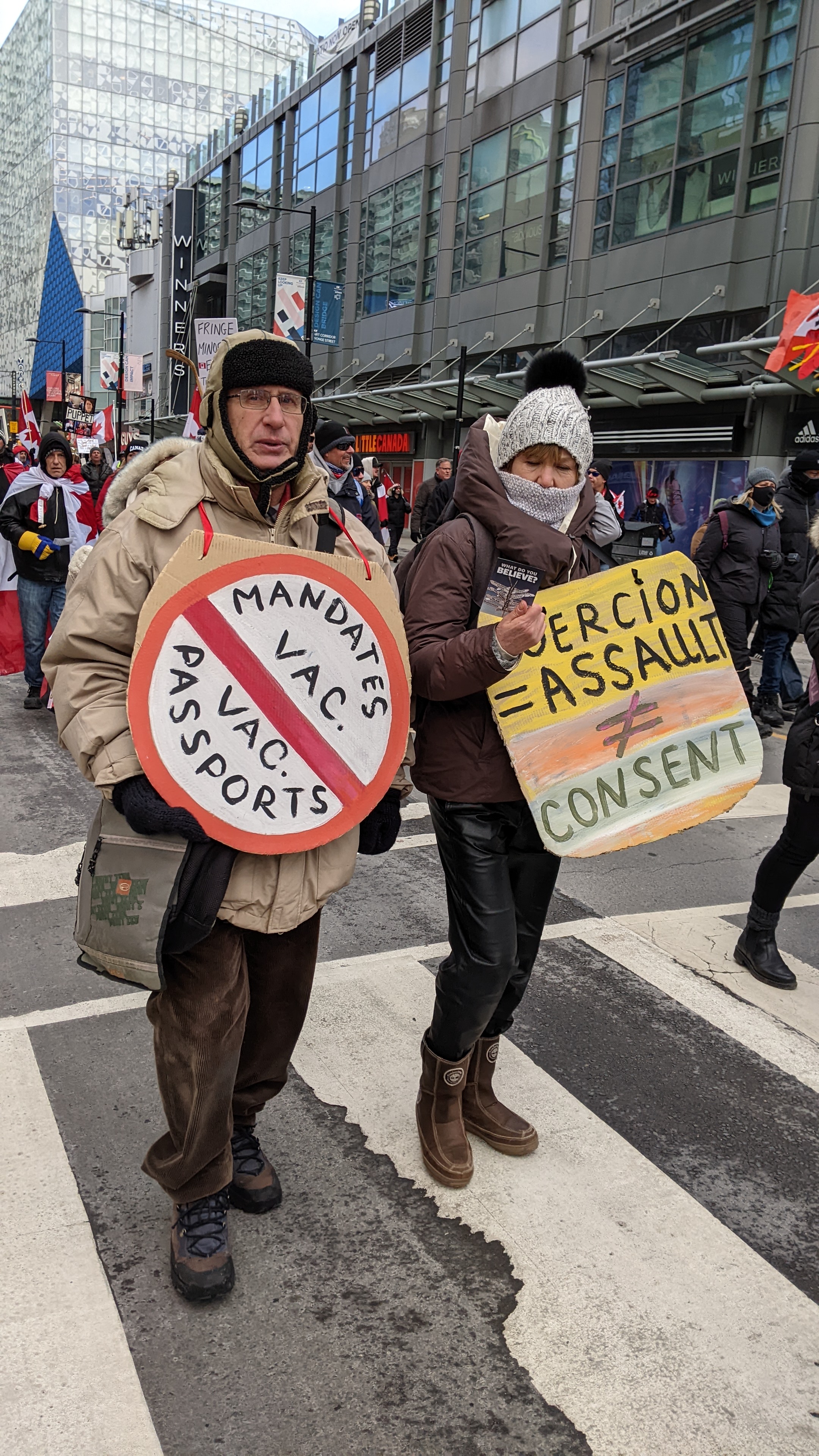
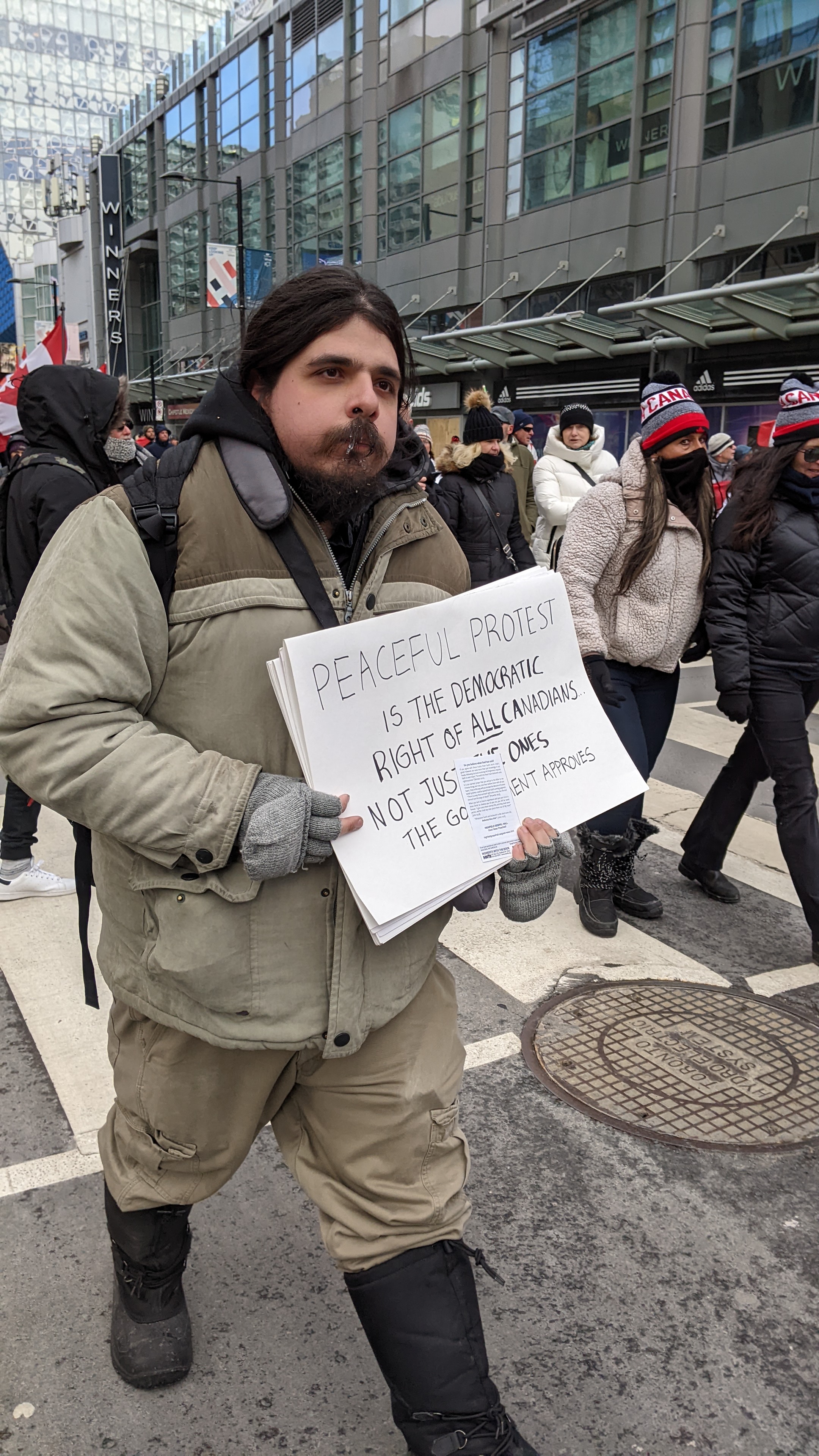
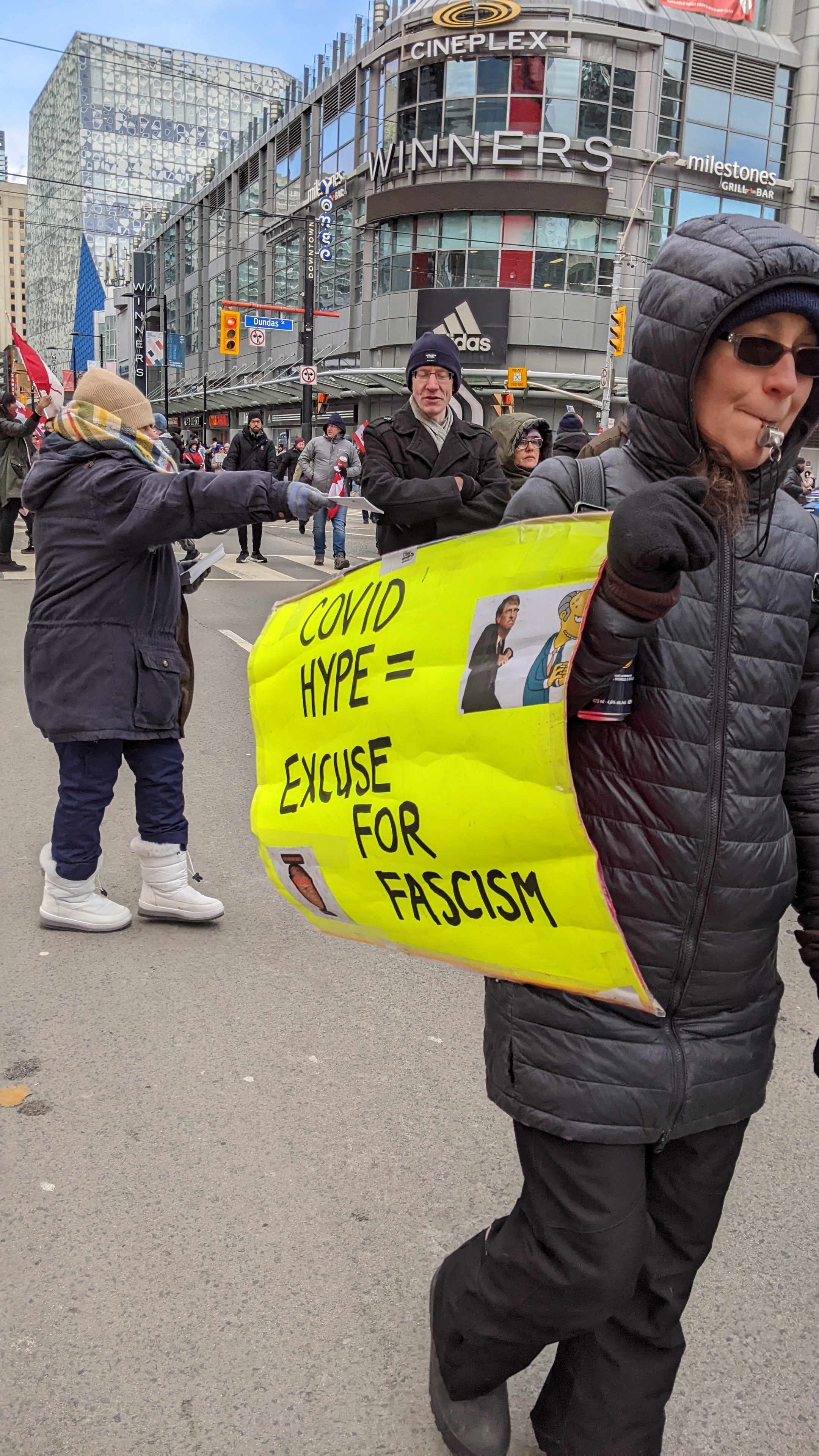
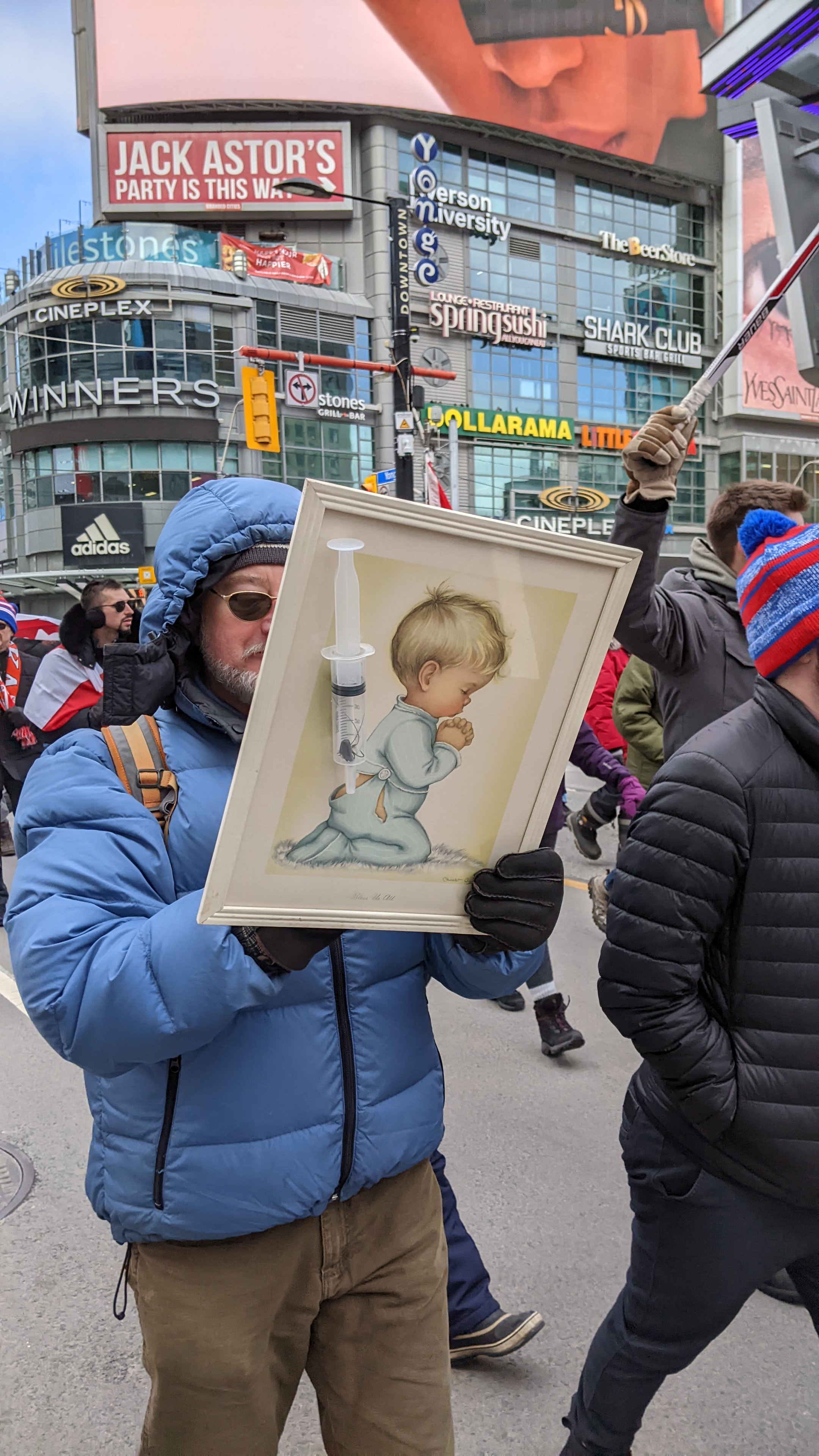
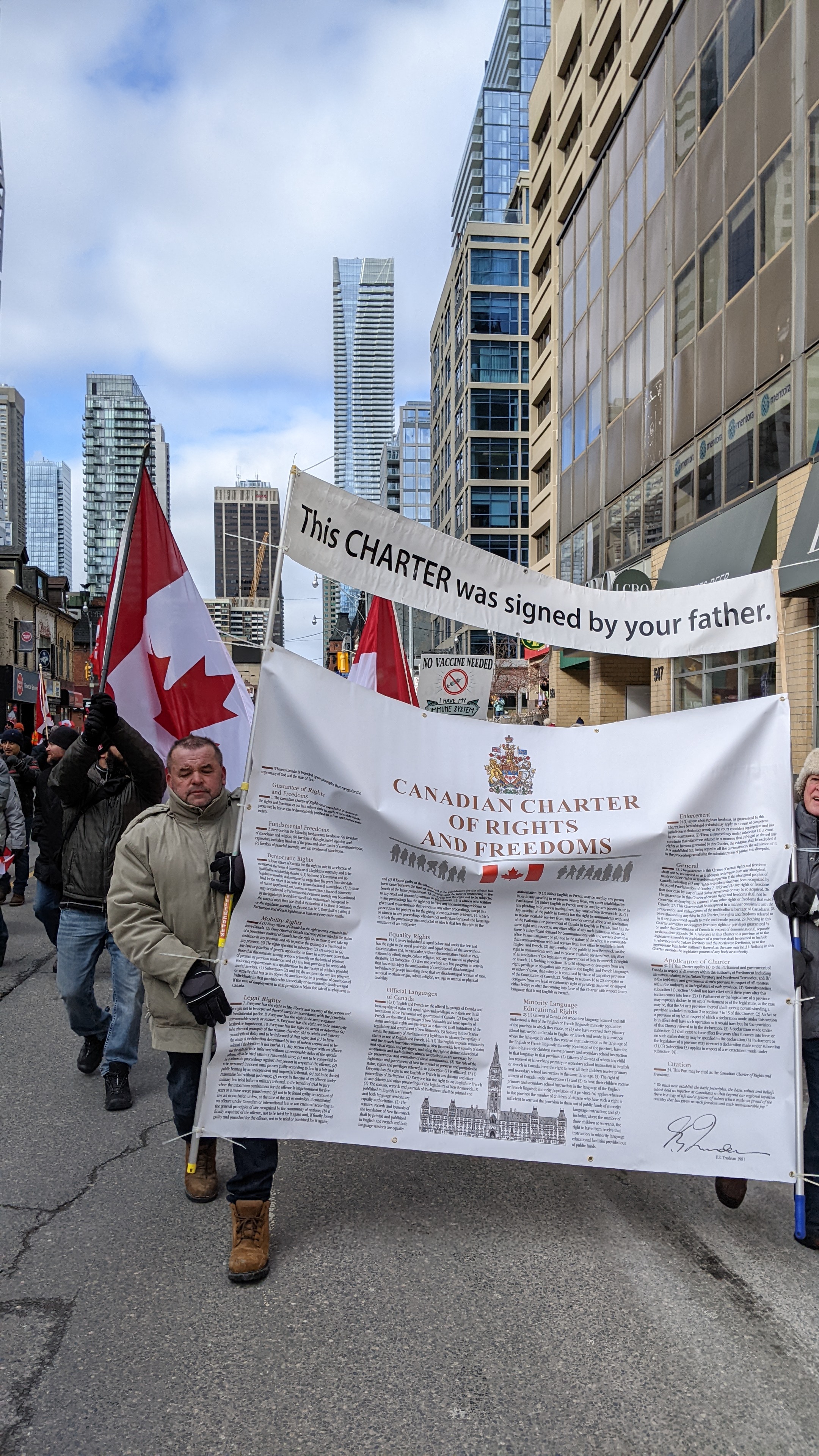
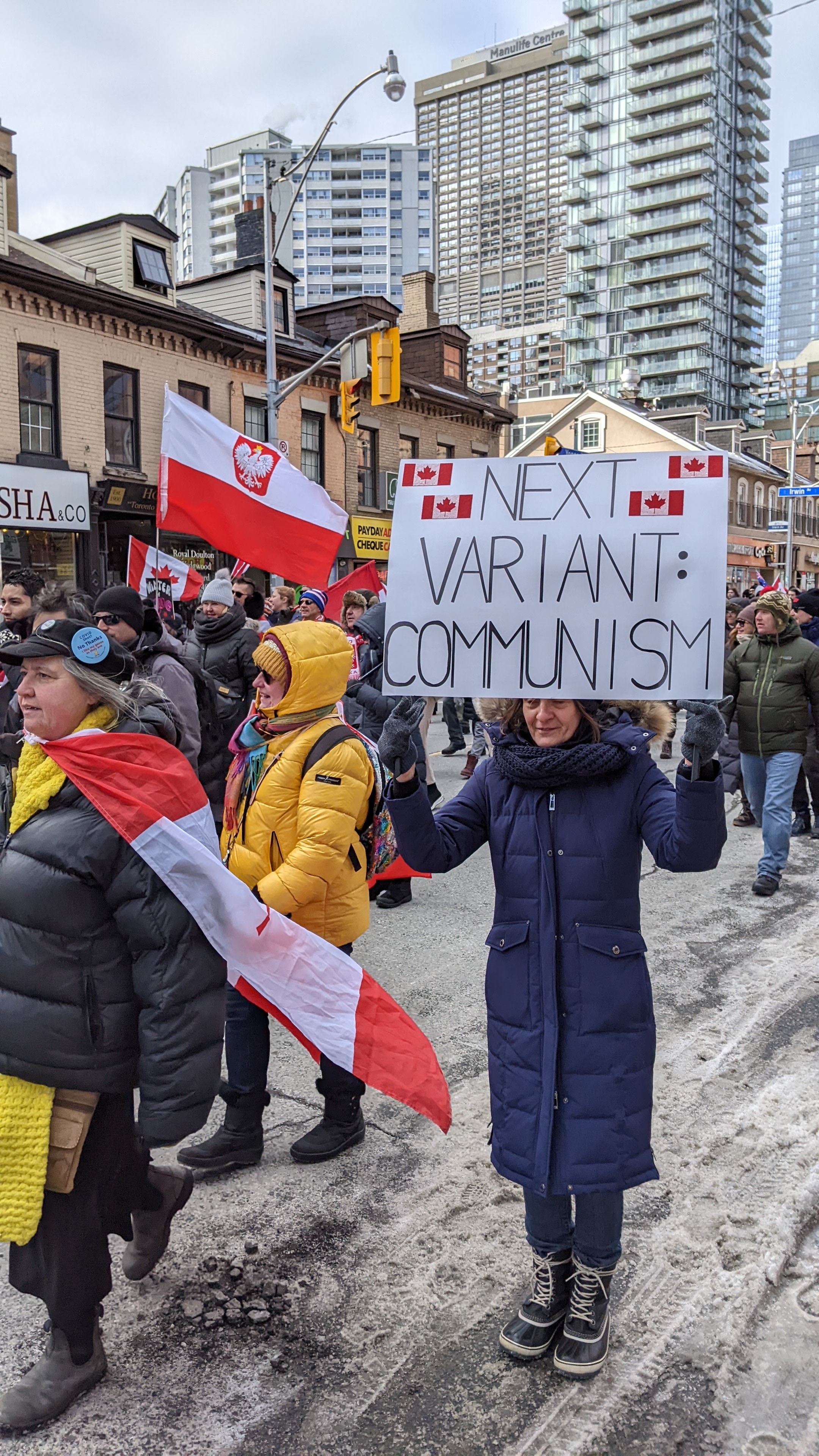
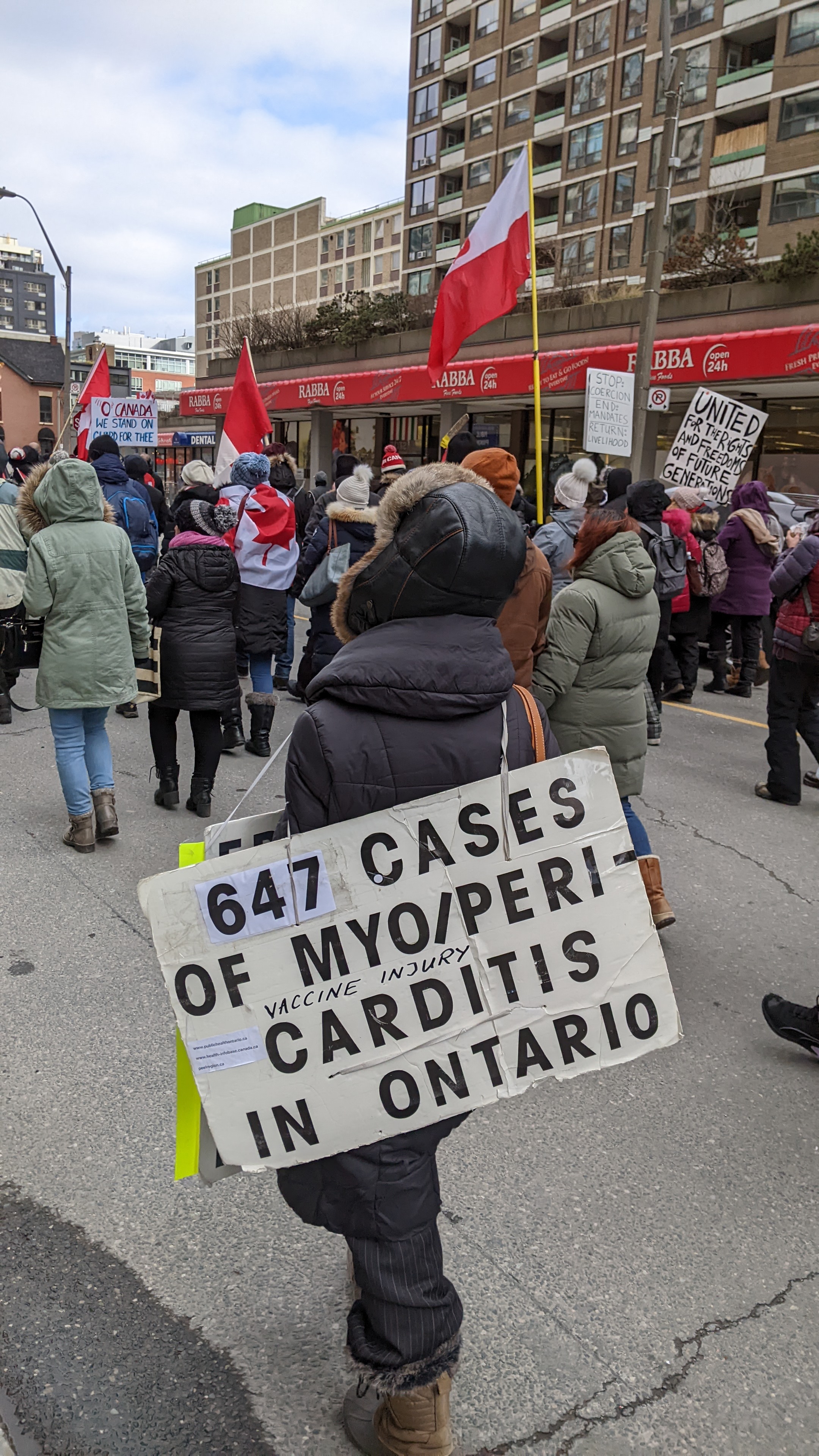
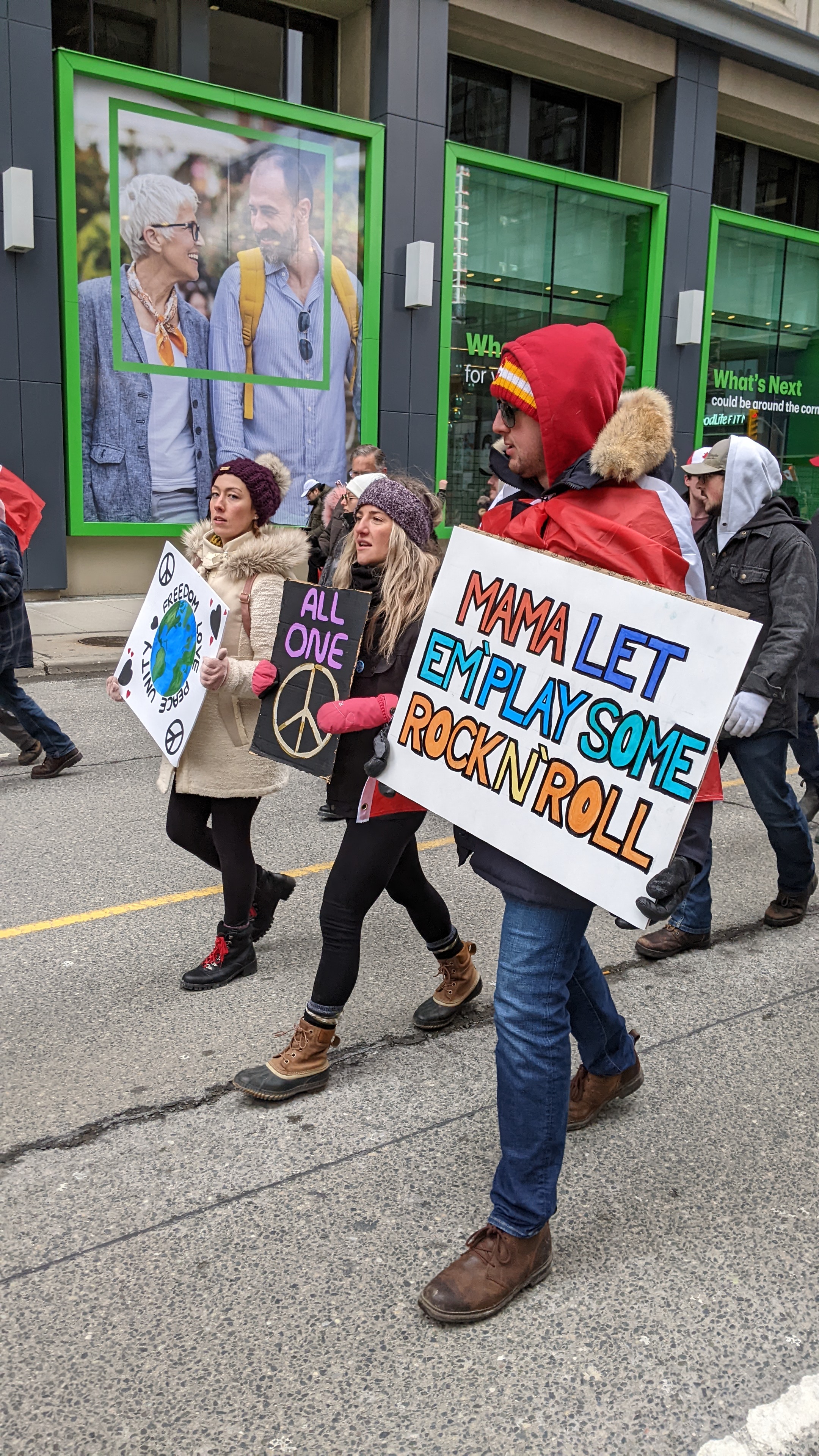
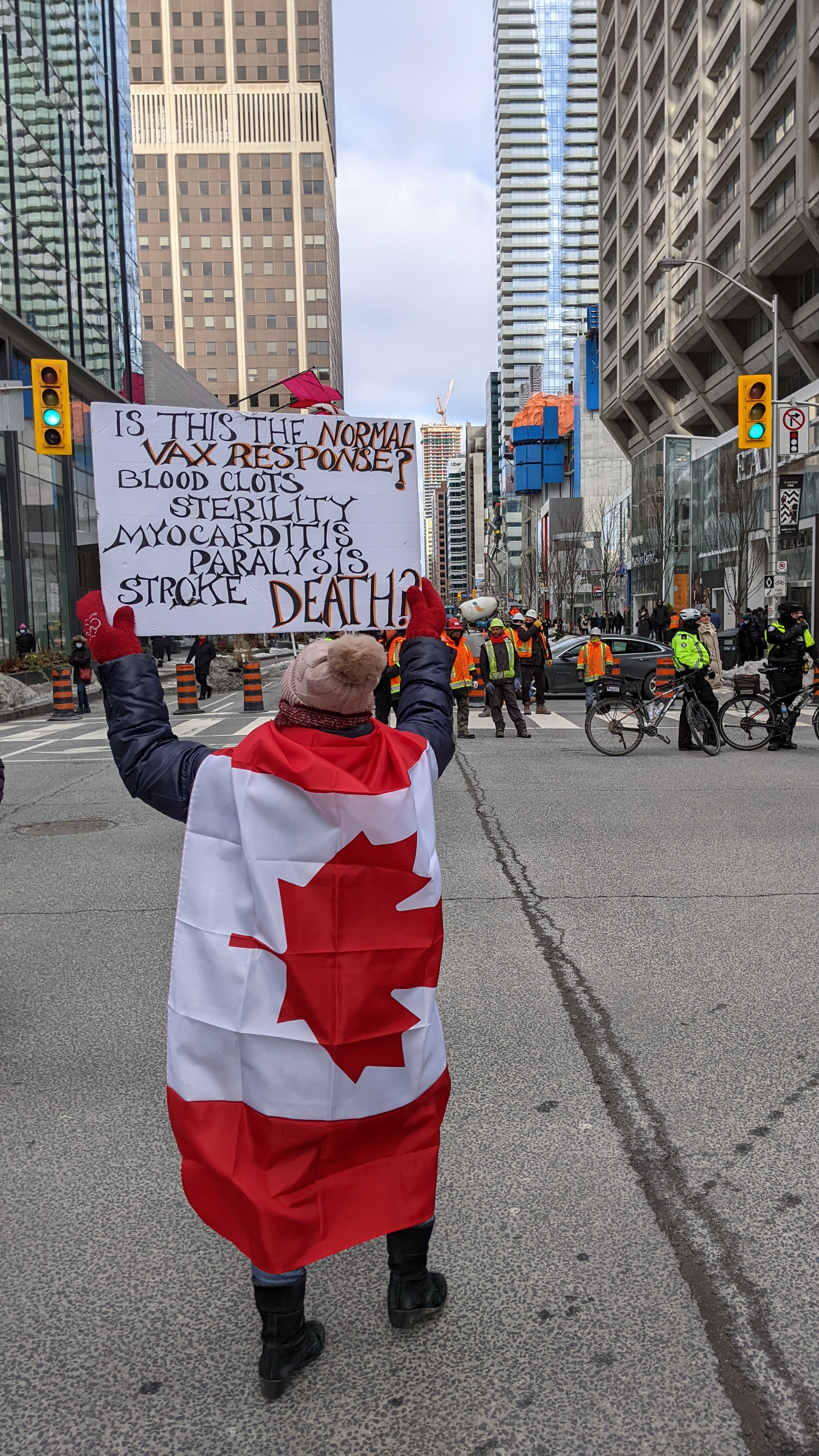
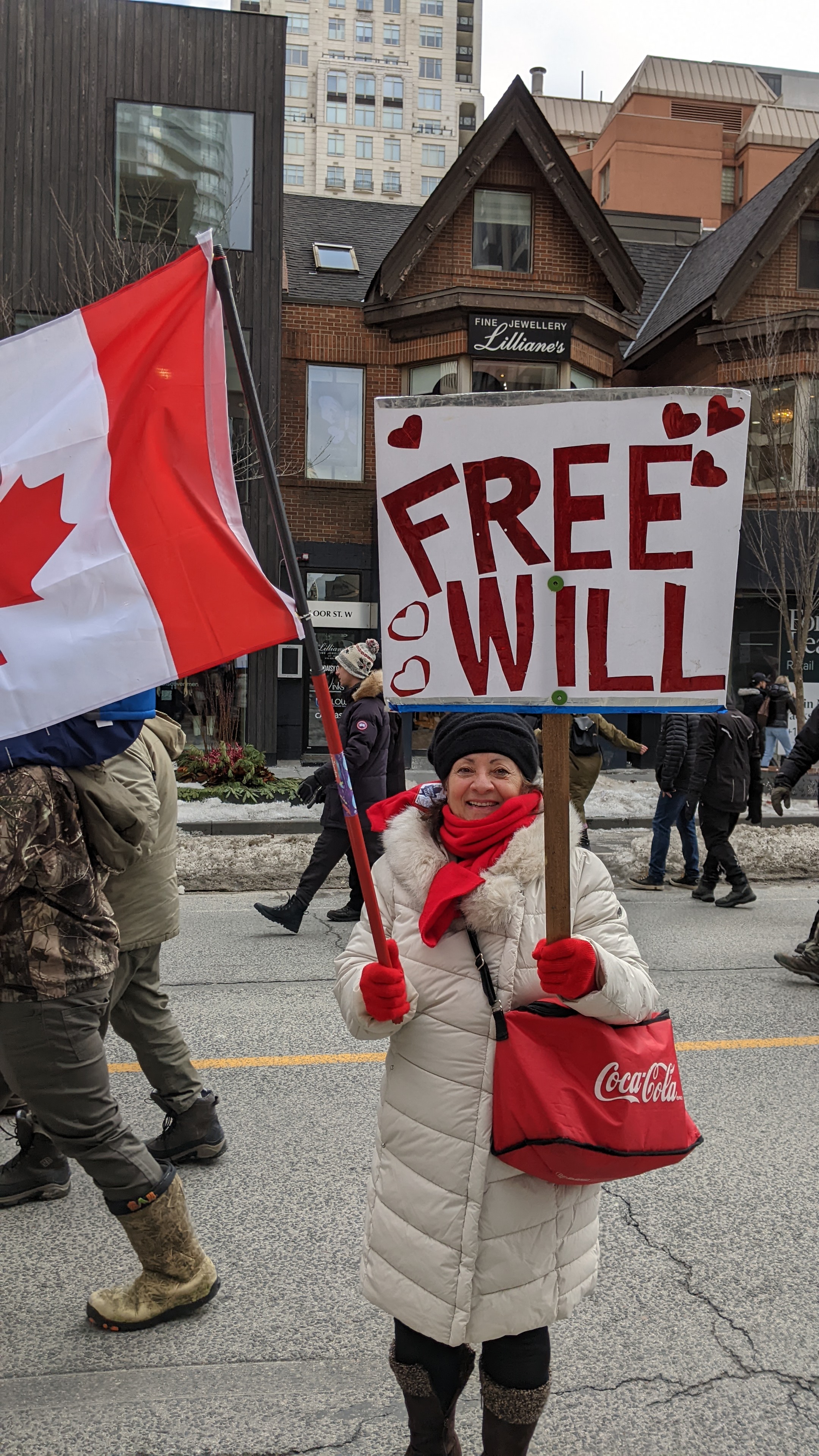
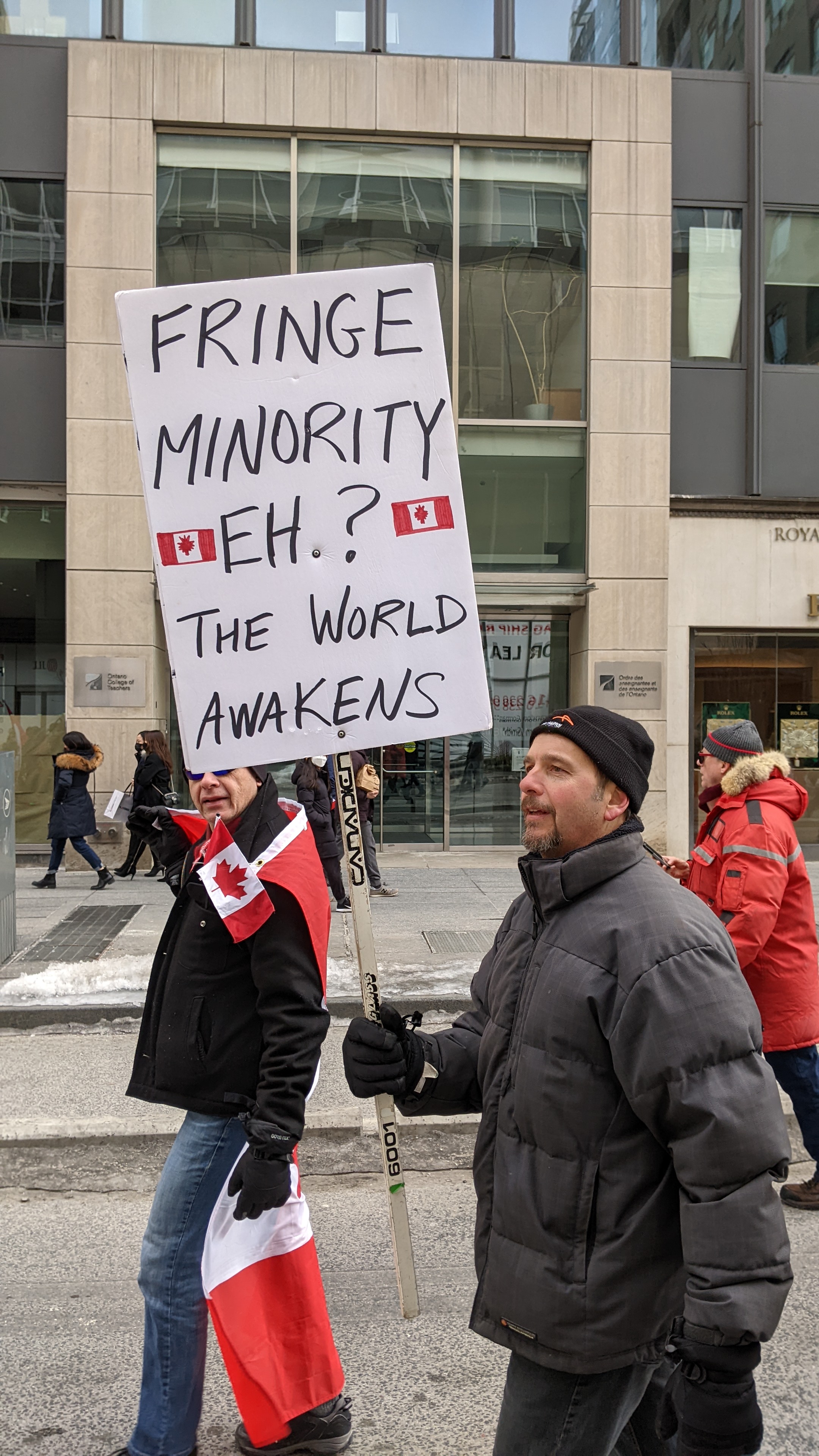
Canadian “trucker” protest signs






















Marshall McLuhan and Aubrey “Drake” Graham in Toronto context
“No Canadian city has played Elsewhere as effectively or as often as Toronto. . . . If the most salient characteristic of the English-Canadian identity is its lack of identity, Toronto is the place where that lack feeds and thrives. Perhaps this is why the city has produced some of the country’s most adept generalists, chameleons, observers and shape-shifters: Harold Innis, Jim Carrey, David Cronenberg, Moses Znaimer, Robert Fulford, Wayne and Shuster, Norman Jewison, Ivan Reitman, Atom Egoyan, the Kids in the Hall, SCTV- all did hard developmental time in Hogtown, the same place from which McLuhan would scramble the world’s receivers with the publication of Understanding Media in 1964.”
Public opinion: the 905 vs. the 416
Note: This is a mini-essay derived from the report titled The 905 vs. the 416: Analysis of Portraits 2017 Regional Differences in Ontario published by the now defunct Mowat Centre. The report came out in 2017. The “905” is General Toronto Area shorthand for the immediate suburbs of Toronto proper.
It’s obvious that Toronto is very different from much of the rest of Ontario. But do Torontonians hold different beliefs compared to other Ontarians? Yes, the cliché is true, Toronto is a bubble.
It goes without saying that opinion in Toronto would differ from rural Ontario but how does Toronto compare to its vote-rich suburbs? As it turns out, quite a bit.
For one thing, residents of the 905 are much more likely to say that government has a negative impact on people’s lives at 47% of respondents with government-friendly Torontonians clocking in at a modest 33%. On a related note, the 905 is much more gung-ho about cutting taxes at 39% of respondents compared to Torontonians who ring in at a more complacent 31%.
Torontonians are inclined to rank climate change as a high priority (53%) whereas 905ers tend not to (39%). Torontonians are more likely to say the national economy is improving at 40% with the 905 registering a more pessimistic 33%. And finally, Torontonians are warmer towards accepting immigrants from conflict zones (56%) vs. the 905 (42%).
These results are all the more interesting when you consider that Toronto is divided between the wealthier areas along subway routes and the “inner suburbs” which—based various political outcomes—have at least as much in common with the 905 as with their bougie civic-fellows.
In conclusion, it seems there is a “bleeding heart” element to Toronto public opinion as compared to the 905. Toronto registers a more positive view of the role of government generally speaking. This is a predictable urban/collective vs. suburban/self-sufficient cleavage.
One last note: a major Conservative pollster and campaign operative is fond of saying that “Conservatives in Toronto are not like Conservatives in the rest of Canada.” So to some extent Toronto’s squishiness is bipartisan.
Linda McQuaig on the Canadian National Railway’s pioneering use of radio
“Starting in 1924, the CNR launched a dramatic innovation: radio on trains. At the time, radio was a relatively new technology. There were only a few stations, mostly located in the United States, whose signals could be heard in Canada, and only in the evening hours. Still, radio was an enormously exciting new form of entertainment that brought music -often live performances in studio- into homes hundreds of miles away.
Sir Henry was determined to make this exciting new technology part of the pleasure of train travel. There had been some earlier dabbling with radio technology by several U.S. rail lines, but no follow-up on those limited experiments. The CNR therefore became the first to overcome the considerable technological challenges and actually outfit railway cars so they could receive radio signals while in motion. On Janurary 5, 1924, the first radio-equipped transcontinental train, operated by CNR, left Montreal bound for Vancouver.
The concept proved popular. Passengers were delighted to be able to stroll to the train’s lounge car, put on a headset, and suddenly, almost magically, hear live music broadcast by a radio station somewhere out there in the dark. The addition of radio service quickly became known as an attractive aspect of travelling on CNR, and there was a noticeable shift of passengers from CPR to CNR on the well-traveled Montreal-Toronto run, which had long been dominated by CPR.
The enormous appeal of radio to the ear of a railway passenger in the 1920s is captured in an anonymous account from the CNR archives. The writer describes a scene in the observation car of a CNR train passing through the Prairies. The passengers are bored and waiting for lunch. Suddenly, the sound of organ music fills the car, grabbing their attention. The organ strains are followed by a sermon, Bible readings, and hymns broadcast live from a service in a Saskatoon church many miles away. When there is a pause in the church service to take up a collection, a passenger on the train rises, puts a five-dollar bill into a hat, and then passes the hat to the other passengers, who all contribute something. When the train pulls into Saskatoon later that day, thirty dollars are delivered to the church from the enthralled passengers.“
 davidhadwen's website